
AM Lalor
This week we not only have something resembling a recipe for you, but also a way of getting a little extra use out of your vegetable scraps. We’re going to show you a very simple method to make your own vegetable stock.
In the past, when I’d seen recipes for vegetable stock, I’d always thought it was a bit of a waste to use perfectly good vegetables that you could, you know, eat. Then a few months ago, I got a new cookbook called Thug Kitchen which presented a very aesthetically pleasing pot of vegetable scraps and suggested boiling them with water and some herbs to make vegetable stock. This idea is hardly novel, I know; but at that particular point in time, I was taken with the idea and decided to try it out.
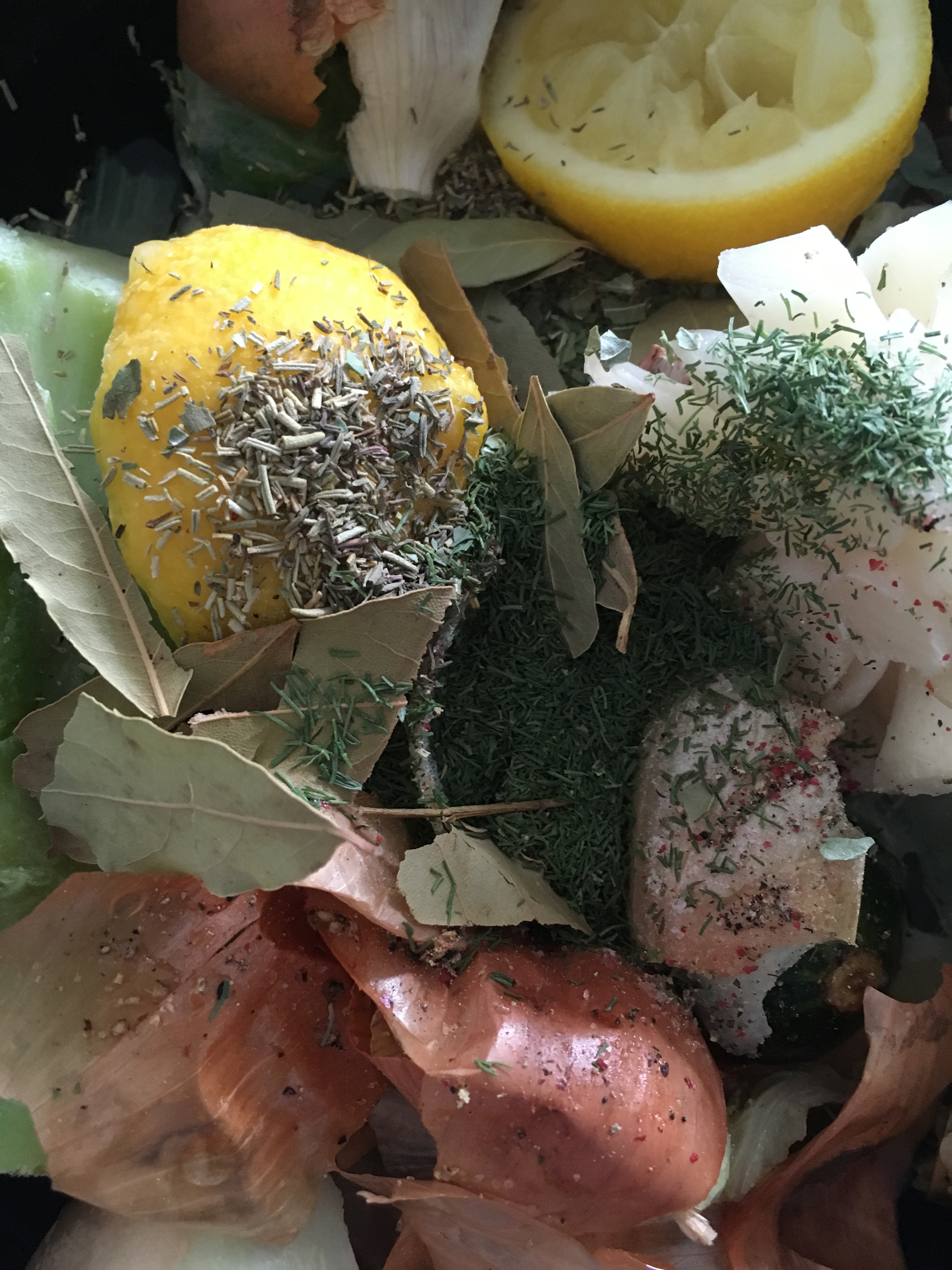
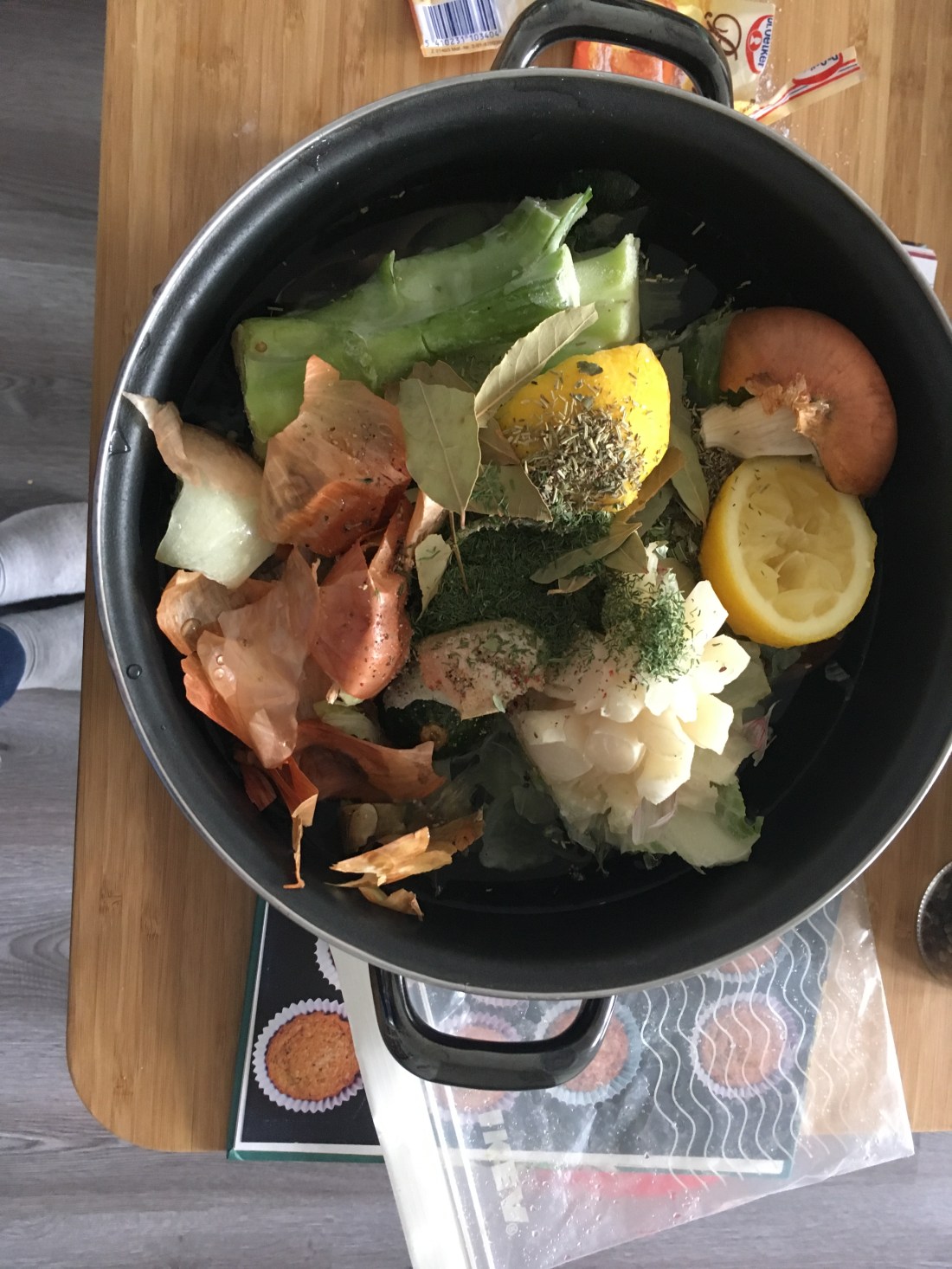
So, for a week and a half Maria and I collected vegetable scraps instead of throwing them away (there isn’t any composting facility available near where we live). We kept them in a ziplock bag in the freezer, but you could also simply keep them in the fridge, so long as you use them up pretty fast. Then, when we had enough scraps to fill two regular sized ziplock bags, we put them together into a large pot with two litres of water, a pinch of salt, some pepper, and random herbs we had lying around: things like dill, rosemary, basil and oregano. We let the pot boil on a low heat for about an hour and a half, and then used a sieve to separate the (now extremely sludgy) scraps from the stock. To our collective surprise the colour of the stock was a really rich dark brown, and it tasted delicious even by itself.
So what kind of scraps did we use? This will, of course, vary from week to week and household to household, but we used a lot of onion tops, tails and skins, garlic skins and heads, tomato vines, broccoli stems, pepper cores, potato skins and squeezed out lemons. The only vegetables that I’d recommend you keep in are the onions and garlic, because of the depth of flavour they bring. Something you should also bear in mind is that, unless you buy organic vegetables, you should make sure to clean your vegetables before using them in a stock like this. It might seem obvious, but I forgot to wash my carrots, for example, as I usually just peel them.
Making your own stock is cool in itself, but it also comes with several more important benefits. First of all, it allows you to make extra use of your vegetable scraps, which is especially positive if you don’t have access to composting facilities. It also cuts down on packaging— when you buy stock cubes, they are usually wrapped in foil individually as well as the overall cardboard packaging.
 Act Aware